
Introduction to Data Management in Higher Education
Effective data management is the backbone of modern higher education institutions, enabling colleges and universities to harness the full potential of their data for student success and operational excellence. With a robust data warehouse solution, institutions can seamlessly integrate information from student information systems, learning management systems, and other management systems, bringing together operational data from across the campus. This integration empowers universities to leverage advanced analytics and strong data governance practices, uncovering valuable insights that inform strategic initiatives and drive improved student outcomes. By enabling institutions to make data-driven decisions, higher education can enhance student success, streamline operations, and ensure accurate, timely data back every decision.
The Role of Data Warehousing in Higher Education
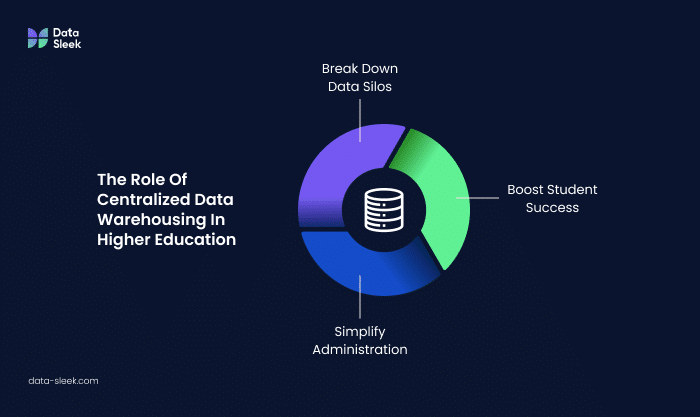
1. Eliminating Data Silos for Improved Collaboration
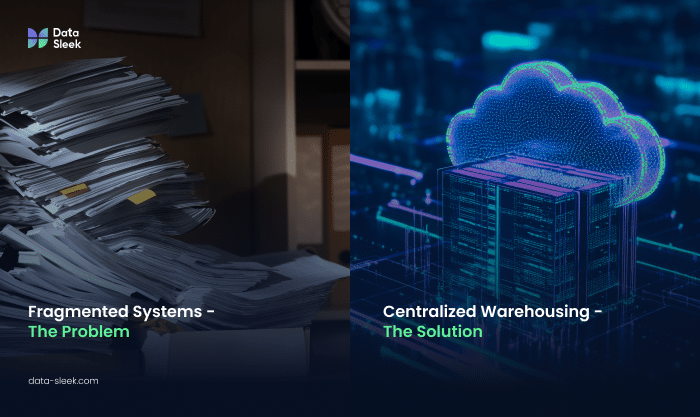
When data is stored in multiple, isolated systems (Ellucian Banner, Colleague, Workday, Blackbaud Education Management, Salesforce, SIS, SharePoint, etc.), departments operate independently, often duplicating efforts and working with incomplete information. A centralized data warehouse consolidates data from various sources, allowing faculty, administrators, and researchers to access a single, accurate version of institutional data.
This unified approach enables:
• Better cross-departmental collaboration by providing a shared data repository.
• Faster decision-making with real-time access to key performance metrics.
• Reduced data entry and processing redundancies, saving valuable time and resources.
2. Enhancing Student Success Through Data-Driven Insights
With a centralized data warehouse, universities can leverage analytics to track student performance, engagement, and retention patterns. By analyzing historical and real-time data, institutions can identify at-risk students and implement targeted interventions to improve academic outcomes.
Key benefits include:
• Personalized learning experiences through adaptive course recommendations.
• Early-warning systems to support students who may be struggling.
• Data-driven advising to help students stay on track toward graduation.
By leveraging these analytics, institutions can make smarter decisions that improve student outcomes.
3. Streamlining Administrative Processes
From financial aid distribution to faculty workload management, administrative processes in higher education require accurate and efficient data handling. A centralized data warehouse simplifies these operations by automating data integration and reporting, providing access to essential enrollment, HR, and finance reports supporting key institutional functions. The system can also quickly incorporate and validate new data, ensuring administrative processes remain efficient and up-to-date.
Institutions can:
• Optimize resource allocation based on real-time enrollment trends.
• Improve compliance with accreditation and regulatory reporting requirements.
• Reduce operational costs by minimizing manual data management tasks.
Data Governance and Quality Control
Data governance is essential for higher education institutions striving to maintain high quality data and achieve better student outcomes. By establishing clear policies and procedures for data collection, storage, and analysis, institutions can ensure that their data is accurate, consistent, and secure.
Quality control measures such as data validation, normalization, and cleansing help eliminate errors and inconsistencies, while compliance with data privacy regulations like FERPA protects sensitive student and staff data. With strong data governance, institutions can trust their data, support compliance requirements, and make informed decisions that positively impact both students and staff.
Universities that have addressed data silos can take the next step by implementing data warehousing strategies designed to meet FERPA compliance, accreditation reporting, and funding transparency requirements.
Ensuring Data Access and Security
For higher education institutions, balancing data access with security is critical to effective data management. Institutions must implement comprehensive security measures—including encryption, access controls, and authentication protocols—to protect sensitive data from unauthorized access. At the same time, it is vital to ensure that authorized personnel can access the data they need through secure management systems. Role-based access controls, data masking, and secure sharing protocols help maintain data privacy while supporting the operational needs of the institution. By prioritizing both data access and security, colleges and universities can foster trust in their systems and safeguard the integrity of their data.
Managing Diverse Data Types
Higher education institutions manage a wide array of data types, from structured student records to unstructured content in learning management systems and semi-structured operational data. To effectively handle this diversity, institutions need a comprehensive data management solution with robust integration capabilities. By consolidating data from multiple sources—including student information systems, learning management systems, and other operational systems—institutions can leverage data warehousing and data lake solutions to store, organize, and analyze all the data they collect. This unified approach enables institutions to gain a holistic view of their data, leading to better student outcomes and more informed decision making.
Best Practices for Implementation
Successfully implementing Higher Ed data warehousing solution requires a strategic approach grounded in best practices. Institutions should begin by defining clear goals and objectives, assessing current data quality and governance frameworks, and selecting technology solutions that align with their needs.
A critical first step is developing a strong data strategy. Universities that take a holistic view of their data challenges facing higher education — including fragmented departments, retention blind spots, and vendor complexity — are better positioned to define a strategy that delivers lasting impact.
At Data-Sleek, we often advise clients to begin here, as a well-crafted strategy creates the framework for turning raw information into trusted, actionable insights that support both academic and operational excellence. It defines how data should be collected, governed, and used, ensuring alignment with institutional priorities. By focusing on data quality, governance, and accessibility, universities can break down silos, improve decision-making, and enable advanced analytics that directly impact student success. At the same time, a strong strategy supports compliance with FERPA and accreditation requirements, optimizes resource allocation, and provides a scalable foundation for cloud adoption and innovation.
“In short, a data strategy ensures that data becomes a strategic asset—improving outcomes today while positioning institutions for long-term growth and resilience,” says Franck, CEO of Data-Sleek.
Change management is equally crucial. Providing training and ongoing support ensures that faculty and staff can effectively use new systems and processes. With the right foundation in place, institutions can leverage predictive and prescriptive analytics to identify students who may need intervention, streamline operations, and enhance academic performance. By following these best practices, colleges and universities can drive measurable improvements in student outcomes, increase operational efficiency, and build a resilient foundation for future innovation.
Why Cloud-Based Data Warehousing is the Future of Higher Ed
Cloud-based data warehousing solutions offer scalability, security, and flexibility that traditional on-premises systems cannot match. With cloud technology, universities can:
• Scale storage capacity as data volumes grow.
• Ensure data security with built-in encryption and access controls.
• Enable remote access for faculty, administrators, and researchers.
In addition, cloud-based data management solutions provide integrated platforms for higher education institutions, centralizing data and enabling advanced analytics for improved decision-making. These platforms often include professional services such as consulting, onboarding, and ongoing support to help institutions maximize the value of their data.
Take the Next Step Toward a Data-Driven Future
A centralized data warehouse is more than just a storage solution—it is a transformative tool that empowers higher education institutions to operate more efficiently, improve student success, and make informed decisions based on accurate, real-time data.
To explore in more detail, check out our article on building a business case for unified data management. It highlights how institutions can strengthen data strategy and secure leadership buy-in for transformative projects.
What challenges do colleges and universities face without a centralized data warehouse?
Without a centralized system, institutions often struggle with fragmented data across different departments. This leads to duplication of efforts, incomplete reporting, and delays in decision-making. Faculty and administrators spend more time reconciling data instead of using it to improve student success or streamline operations.
How does a data warehouse improve student outcomes?
A data warehouse enables institutions to analyze both historical and real-time data on student performance, engagement, and retention. By identifying at-risk students early and supporting personalized learning paths, institutions can implement timely interventions that help students stay on track toward graduation.
What role does data governance play in higher education data warehousing?
Data governance ensures that institutional data is accurate, consistent, and secure. It defines policies for data collection, storage, and usage while ensuring compliance with regulations like FERPA. Strong governance builds trust in data, supports accreditation requirements, and enables leadership to make well-informed, data-driven decisions.
Why should higher education institutions consider cloud-based data warehousing?
Cloud-based solutions provide scalability, flexibility, and built-in security features that traditional systems often lack. They allow institutions to scale storage and computing resources as data grows, provide secure access to authorized users anywhere, and reduce the total cost of ownership compared to on-premises systems.
If your institution is ready to break down data silos and enhance its data strategy, Contact Data Sleek today for a free consultation and discover how our higher education data warehousing expertise can help you achieve your goals.


